Yamaha XSR155 | What's The BUZZ !
The Yamaha XSR155 arrives as a refreshing neo-retro motorcycle built on the legendary R15 platform — a foundation already known for breaking new ground in looks, performance, and long-term reliability. Yamaha has smartly taken this proven base and reimagined it into something that stands out in today’s crowded 100–150cc market.
Distinctive Design & Strong Character
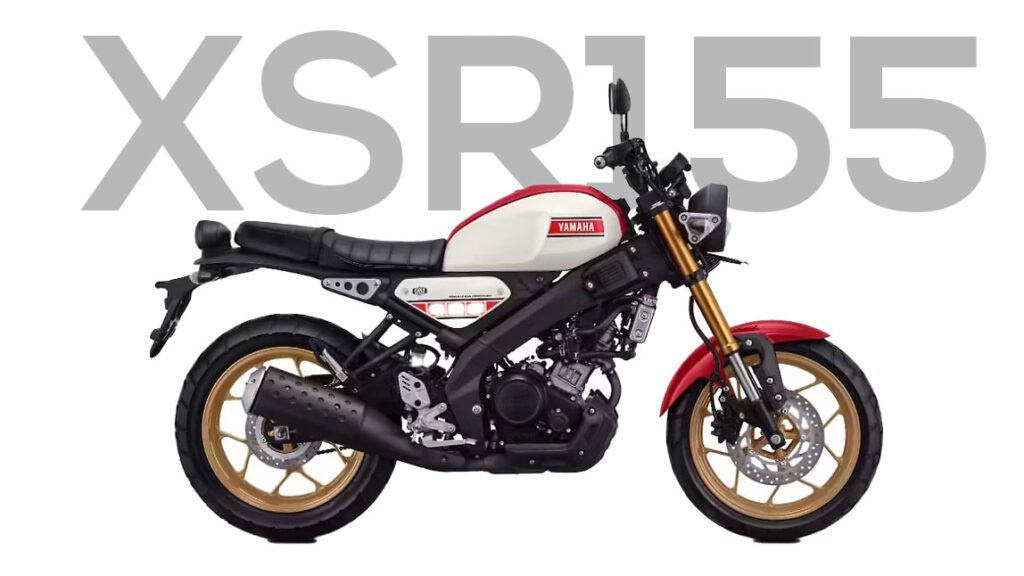
What instantly separates the XSR155 from the rest is its unique styling and dynamic chassis. The bike blends classic proportions with modern touches, creating a look that appeals to riders who want something different — something that isn’t just another commuter or sport bike.
The deltabox frame, carried over from Yamaha’s sport models, adds sharpness and agility while retaining a balanced, comfortable ride feel. It’s a machine built to be both stylish and capable.
Refined Engine & Quality Components
Yamaha’s 155cc powertrain has built a solid reputation over the years, and in the XSR155 it continues to deliver smooth, refined performance suitable for city rides, casual touring, and occasional spirited riding.
One of the highlights is the golden upside-down front suspension, which not only adds strong visual appeal but also enhances stability and handling. It gives the bike a more premium stance and makes it feel planted in corners and uneven roads.
Yamaha’s Trust Factor & Value
Pricewise, Yamaha has positioned the XSR155 very competitively. You get a great mix of:
premium looks
reliable engineering
trusted brand backing
strong real-world usability
For many riders, this combination is exactly what makes the bike feel like a solid, value-for-money deal.
Final Thoughts
I’m looking forward to getting hands-on time with the XSR155 to form deeper impressions, but based on design, refinement, features, and Yamaha’s legacy, it already looks like a motorcycle worth checking out.
If you’re in the 100–150cc segment and want something stylish, capable, and dependable, this one deserves a test ride.
Comparison with Key Competitors
Royal Enfield Hunter 350
The Hunter 350 is a completely different beast — a 349 cc air-cooled cruiser/roadster versus the XSR155’s 155 cc, liquid-cooled engine.
While the Hunter produces more torque, the XSR is much lighter (around 137 kg vs ~181 kg for the Hunter) which gives the Yamaha a big agility advantage.
In terms of usability, the XSR’s sportier chassis (Deltabox frame) and modern suspension feel more nimble, making it better suited for city riding, whereas the Hunter leans toward relaxed, classic cruising.
Fuel tank capacity also differs — the Hunter has a bigger tank (~13 L) compared to the XSR (~10 L) which could mean better touring range for the Hunter, but the XSR’s lighter weight and modern engine might balance that out in city rides.
Yamaha MT-15
The MT-15 V2 and XSR155 are very closely related mechanically — they share the same 155 cc liquid-cooled VVA engine
One distinction is in styling: the MT-15 is a naked streetfighter, while the XSR155 has a neo-retro roadster look, which will appeal to different kinds of riders.
On weight, the XSR is slightly lighter than the MT-15, giving it a handling edge.
The MT-15’s fuel tank is around 10 L as well.
Pricing-wise, the XSR comes in a bit cheaper (or at least is introductory-priced lower) than the top MT-15 variants, making it an interesting value-for-character pick.
Bajaj Pulsar 160 (NS 160 / Pulsar 160 class)
While specific comparisons between XSR155 and “Pulsar 160” depend on which 160cc Pulsar model (NS160, etc.), one common reference is the NS160: a 160.3 cc, single-cylinder engine, oil-cooled.
The NS160 is known to make around ~17 PS / ~14.6 Nm according to user-reported figures.
The Pulsar often comes with a 5-speed gearbox, while the XSR (and its R15-derived engine) has 6 speeds — which gives XSR a more flexible rev range.
In terms of brand & feel: Pulsars are very performance-oriented street bikes, but they don’t have the retro charm of the XSR, so the XSR can feel more premium and characterful rather than just sporty.
TVS Apache RTR 160 (160 / 160 4V)
The Apache RTR 160 4V has a 159.7 cc, 4-valve engine.
Power / Torque (for the 4V): ~17.55 PS and ~14.73 Nm.
Fuel tank capacity on the Apache is 12 L.
The Apache 160 4V comes with ride modes (Sport, Urban, Rain), which adds versatility.
It has USD front forks (37 mm) which helps in handling and gives a more premium feel.
However, the Apache is heavier (kerb ~146 kg for the 4V) compared to the lightweight XSR, which might make the XSR feel more nimble in traffic.
From a brand and experience perspective, Apache has strong performance credentials, but the XSR stands out for its neo-retro style, more modern engine feel, and possibly better refinement for city + occasional sporty ride.
Why These Comparisons Matter for the XSR155
Positioning: By comparing with these bikes, you can see where the XSR sits — it’s not a pure cruiser like the Hunter 350, nor is it a full-on race naked bike like the MT-15. It sits in a sweet middle: retro + sporty + manageable.
Value & Character: Against 160cc bikes like the Pulsar and Apache, the XSR offers a refined engine + 6-speed + premium touches (USD forks) — giving it a strong value-for-style and performance proposition.
Use Case: If you’re looking for a bike that looks classy, handles well in the city, and has enough character for weekend rides, the XSR could be more attractive than the purely sport or purely cruiser alternatives.